

So, you’re planning the classic British journey from the bustling capital of London to the majestic, history-soaked city of Edinburgh. It’s a trip of roughly 400 miles (650 km), connecting two of the UK’s most iconic destinations. But here’s the million-dollar question: what’s the best way to travel?
The truth is, there’s no single right answer. The “best” way depends entirely on you. Are you a budget-conscious traveler, a time-pressed businessperson, or someone seeking a scenic adventure? Let’s break down the real-world pros and cons of each option so you can decide for yourself.
The Speed Demon’s Choice: The Train
For many, the train is the undisputed champion for this journey. It’s a perfect blend of speed, comfort, and city-centre to city-centre convenience.
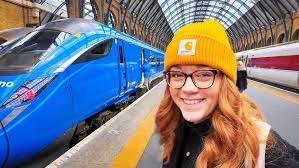
Picture this: you board a sleek train in the heart of London at King’s Cross Station (and yes, you can take a quick selfie at the Platform 9¾ shop). Within minutes, you’re whizzing through the English countryside at speeds of up to 125mph. You have space to stretch your legs, a table to work at, a plug for your laptop, and a buffet car for a coffee or a snack. Perhaps the biggest perk? You can simply relax—read a book, watch a movie, or just gaze out the window as the landscape transforms.
The journey time is typically around 4.5 hours on the main LNER service. You arrive right in the centre of Edinburgh, a short walk from the Old Town and its attractions, with no need for a tedious transfer from a distant airport.
The main drawback is cost. Walk-up fares on the day can be shockingly expensive. The golden rule for train travel in the UK is to book in advance. Tickets usually go on sale 3 months ahead, and securing them early can get you a much better price.
The Budget-Friendly Workhorse: The Coach (Bus)
If your priority is saving money, the coach is your best friend. Operators like National Express and Megabus offer incredibly cheap fares, especially when booked ahead. It’s not uncommon to find tickets for a fraction of the train or plane price.
Modern coaches are a far cry from the cramped buses of the past. They generally have comfortable seats, free Wi-Fi, charging points, and onboard toilets. It’s a safe, reliable, and direct service.
The trade-off is time. The journey takes a minimum of 8 hours, and with traffic, it can easily stretch to 9 or 10. It’s a long time to be seated, but if you’re on a tight budget, have a good podcast playlist, or can sleep on the move, it’s a very viable option. Most coaches depart from London Victoria Coach Station and arrive at Edinburgh Bus Station, both centrally located.
The Quick but Fussy Option: Flying
On paper, flying is the fastest way to cover the distance. The flight time from London to Edinburgh is just over an hour. However, this is a classic case where the “gate-to-gate” time is misleading.
You have to factor in the long and often expensive journey from central London to the airport (Heathrow, Gatwick, or Stansted), the recommended 2-hour check-in time, potential flight delays, and then the trip from Edinburgh Airport into the city centre. When you add it all up, the total travel time often rivals the train.
Flying can make sense if you’ve found an amazing deal on a budget airline or if you are connecting from an international flight. But for a point-to-point journey between two major city centres, the train’s seamless experience often wins out.
The Scenic Road Trip: Driving
Driving gives you ultimate freedom. You can leave on your own schedule, pack as much luggage as you want, and, most importantly, stop wherever you like along the way. The direct route up the M1 and M6 motorways will get you there in about 7-8 hours, but the real magic lies in detours. You could explore the stunning landscapes of the Lake District or the historic border towns.
However, this freedom comes with costs and hassles. You have to pay for petrol (gas), and motorway tolls are not a concern in the UK. The biggest considerations are “congestion charges” in city centres and the challenge and expense of parking in Edinburgh. For a short city break, dealing with a car can be more trouble than it’s worth.
So, Which One is Truly Best for You?
Let’s make it simple.
Choose the train if: Your priority is a comfortable, efficient, and relaxing journey. You value your time and want to arrive feeling refreshed, right in the heart of the action. You’re willing to book in advance to get a good price.
Choose the coach if: Your budget is the most important factor. You don’t mind a longer journey and see it as part of the adventure, a chance to catch up on reading or sleep.
Choose to fly if: You’ve found an exceptionally cheap flight, are travelling from near an airport anyway, or are connecting from a long-haul flight.
Choose to drive if: You crave freedom and flexibility, plan to explore the countryside along the way, or need a car for your stay in Scotland.
No matter which path you choose, the destination is worth it. Edinburgh is a city of dramatic beauty, rich history, and unforgettable charm.
Conclusion: Your Journey, Your Choice
So, what’s the best way to get from London to Edinburgh? As we’ve seen, the answer isn’t one-size-fits-all. It’s a personal calculation based on your budget, your timeline, and your travel style.
If you value time, comfort, and a seamless city-centre arrival above all else, the train is your undisputed winner—just remember to book ahead for the best fares. If your wallet is your primary guide, the coach offers an unbeatable price for a safe and direct journey, as long as you have the time to spare. Flying can be quick, but only if you account for the lengthy airport commutes on both ends. And driving? It’s the ultimate choice for the free-spirited explorer who wants to make the journey itself a part of the holiday.
Each mode of transport offers a different experience of the British landscape and a different start to your Scottish adventure. The good news is that no matter which option you pick, you’re on your way to one of the most captivating cities in the world. Now that you’re armed with the facts, you can confidently choose the path that’s best for you and start looking forward to exploring the enchanting streets of Edinburgh.
Frequently Asked Questions
Is the train really faster than flying when you add everything up?
Often, yes. While the flight itself is only about an hour, you need to factor in the travel time to and from the airports (about 45-60 minutes each side in London), the recommended 2-hour check-in, and potential delays. This can easily add up to 5+ hours. A direct train takes about 4.5 hours and drops you from city centre to city centre, making it highly competitive in terms of total journey time.
What’s the cheapest way to book the train?
Book in advance! Train tickets in the UK are like airline tickets; prices go up as the travel date approaches. They are typically released 3 months ahead. Be flexible with your travel times, as travelling off-peak (outside of busy morning and evening commute hours) can also save you a significant amount of money.
How comfortable is the coach for such a long journey?
Modern coaches from National Express and Megabus are surprisingly comfortable. They have reclining seats, seatbelts, free Wi-Fi (though it can be spotty), and charging ports. While 8-9 hours is a long time to sit, it’s manageable if you come prepared with snacks, water, a neck pillow, and entertainment like downloaded movies or podcasts.
Is it difficult to drive from London to Edinburgh?
The drive itself is straightforward, mostly on well-maintained motorways like the M1 and M6. The challenge isn’t the driving, but the costs and logistics. Petrol is expensive, and finding affordable (or any) parking in central Edinburgh can be very difficult and costly. For a short city break, having a car can be more of a burden than a benefit.
What is the most scenic way to travel?
Hands down, the train. The East Coast Main Line route offers beautiful views of the Northumbrian coastline, historic castles like Bamburgh in the distance, and the rugged landscapes of the Scottish Borders. It’s a moving postcard that you can enjoy from the comfort of your seat.