

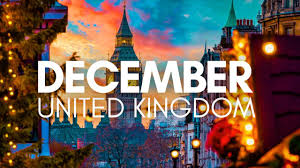
Let’s be honest: a December trip to the United Kingdom isn’t about sunbathing. It’s about embracing a specific kind of magic. Think early sunsets that turn cities into glittering jewels, the scent of mulled wine in the chilly air, and a festive spirit that feels woven into the very fabric of the place. But this magic comes with its own set of rules—namely, short days, capricious weather, and a calendar packed with both cheer and busy crowds.
If you’re dreaming of a winter getaway to London, Edinburgh, or a cozy Cotswolds village, knowing what to truly expect is the difference between a stressful trip and an unforgettable one. This is your real-world guide to navigating the UK in its most festive, and sometimes most challenging, month.
The Weather: It’s Not Just Cold, It’s Moody
First, let’s talk about the sky. The UK in December is the definition of “atmospheric.” You’ll get about 7 to 8 hours of daylight, with the sun rising lazily around 8 am and setting by 4 pm. This isn’t a drawback; it’s a feature. It means you get to see cities illuminated for longer, with Christmas lights blazing from mid-afternoon.
The temperature itself is usually mild but damp, hovering between 2°C and 8°C (36°F – 46°F). The real factor isn’t the cold, but the wet. You could experience crisp, sunny days, persistent drizzle, biting wind, or a combination of all three in a single afternoon. The secret to happiness? Layers. A waterproof and windproof coat is non-negotiable. Pack warm sweaters, a scarf, gloves, and most importantly, comfortable, waterproof shoes. You will be walking a lot, and cold, wet feet are a sure way to ruin the mood.
The Crowds: Festive Buzz vs. Tourist Rush
December is peak festive season. From early December until just before Christmas, cities are buzzing with shoppers, tourists, and locals enjoying the festivities. It’s vibrant and exciting, but also busy. Key dates to be aware of:
- Early-Mid December: Busy, but manageable. The Christmas markets are in full swing.
- Weekends Before Christmas: Extremely busy in city centers and popular markets.
- Christmas Eve (24th) & Christmas Day (25th): Everything shuts down. Public transport stops, and most restaurants, shops, and attractions are closed. It’s a family day.
- Boxing Day (26th): The sales begin! Shops reopen, and major sales events kick off, leading to large crowds.
- New Year’s Eve (Hogmanay in Scotland): Massive, ticketed events in major cities, especially Edinburgh’s famous street party. Book accommodation and event tickets months in advance.
The Unbeatable Festive Highlights
This is why you come. The UK does Christmas with a charming, traditional flair.
- Christmas Markets: From the wooden chalets of London’s Southbank to the alpine-style stalls in Edinburgh’s Princes Street Gardens, the markets are a sensory delight. Expect handcrafted gifts, steaming bratwurst, roasted chestnuts, and that iconic mulled wine (“glühwein”).
- Pantos & Shows: The British Christmas pantomime (Panto) is a bizarre and wonderful tradition—a loud, humorous musical play for families, full of audience participation. Booking tickets for a Panto or a classic like The Nutcracker is a real treat.
- Ice Rinks: Temporary ice rinks pop up in iconic locations—under the shadow of the Natural History Museum in London, outside Cardiff Castle, or next to the York Minster. Skating here is pure festive fantasy.
- Carols and Services: Attending a carol service in a historic cathedral or even a local parish church is a profoundly moving experience, regardless of your faith. The singing in places like King’s College Chapel, Cambridge, is legendary.
Practicalities: Navigating the Shutdown
Your usual travel rhythms need adjustment. Planning is essential.
- Travel & Transport: Book train tickets well in advance for the best prices. On Christmas Day and Boxing Day, the national rail network is essentially closed. Local bus and tube services in cities are severely limited or non-existent on the 25th. Plan to stay local or rely on taxis (which will be scarce and expensive).
- Dining: On Christmas Day, your options are limited to hotels serving Christmas lunch (booked months ahead) or perhaps a pub open for a few hours. Supermarkets close early on the 24th and are closed on the 25th. Do a small grocery shop beforehand if you’re self-catering.
- Attractions: Most major museums, galleries, and tourist attractions are closed on December 24th, 25th, and 26th. Check every single website for their specific holiday opening hours. Many close early on the 24th.
What to Pack: The Capsule Wardrobe
Forget fashion; think function and warmth. Your suitcase should include:
- A heavyweight, waterproof coat (the most important item).
- Warm sweaters or fleeces for layering.
- Thermal underlayers (a lifesaver).
- Comfortable jeans or thick trousers.
- Waterproof boots with good grip.
- A warm hat, scarf, and gloves.
- A sturdy umbrella (though in high wind, the coat hood is better).
- A portable power bank (cold drains phone batteries quickly).
A Note on Scottish Hogmanay
If you’re heading to Scotland, December is dominated by Hogmanay. This isn’t just New Year’s Eve; it’s a multi-day festival. Edinburgh’s celebration is world-famous, with a street party, torchlight procession, and concerts. It requires separate ticketing for most events, and accommodation sells out a year in advance. In smaller towns, you might experience “First-Footing,” the tradition where the first person to enter a home after midnight brings good luck.
Embrace the Coziness
Ultimately, a UK December trip is about embracing “hygge” before the word was trendy. It’s about retreating into a cozy pub with a real fire after a day of exploring, the windows steamed up, a pint of ale in hand. It’s about the joy of finding a quiet, ancient cathedral corner away from the market bustle. It’s about the stunning beauty of a frost-covered landscape in the Lake District or the Highlands.
Manage your expectations: it will be busy, it might rain, and you need to plan around closures. But if you pack right, plan ahead, and surrender to the early darkness, you’ll experience a country at its most atmospheric and generous. You’re not just visiting the UK; you’re attending its biggest, sparkiest, and most heartfelt party of the year. Just remember to bring your coat.
Conclusion
You’ll trade long days for twinkling early evenings. You’ll exchange predictable itineraries for the need to plan around festive closures. You’ll swap light layers for the essential uniform of a serious coat and waterproof shoes. In return, you get to see these historic cities and landscapes dressed in their finest holiday glitter, buzzing with a collective, cheerful energy you simply can’t find in July.
The true takeaway isn’t just a list of tips; it’s a mindset. Success here is about leaning into the season, not fighting it. It’s about booking that afternoon tea because it’s already dark outside at 4 p.m. It’s about choosing the cozy pub over the distant museum on a rainy day. It’s about understanding that Christmas Day itself is a quiet, closed-door affair for residents, and finding your own moment of peace within that.
You’ll come home with memories not of perfect weather, but of atmospheric moments: the steam rising from a mug of mulled wine, the sound of carols echoing in a stone cathedral, the warmth of a bustling pub after a cold walk. You’ll have experienced the UK not just as a tourist, but as a guest at its most cherished and authentic celebration.
Frequently Asked Questions: UK in December
Is December a bad time to visit the UK?
Not at all—it’s just a different time. If you dream of sprawling parks, long days, and picnics, it’s not ideal. But if you want festive lights, Christmas markets, cozy pubs, and a truly atmospheric experience, it’s a magical time. The key is going in with the right expectations: shorter days, colder weather, and busy festive periods.
Will it snow?
Widespread, picture-perfect snow is relatively rare in most UK cities in December, especially in London and the south. You’re more likely to encounter frost, ice, and a lot of rain. However, you have a much higher chance of seeing snow in northern England (like the Yorkshire Dales), Scotland (especially the Highlands), or in higher elevation areas. Don’t count on it, but see it as a delightful bonus if it happens.
What should I wear? How should I pack?
The mantra is warm, waterproof layers. Think practical over fashionable:
- A waterproof/windproof coat is your #1 essential.
- Comfortable, waterproof boots with good grip.
- Warm sweaters, a scarf, gloves, and a hat.
- Thermal underlayers are a smart, lightweight addition.
- An umbrella (though be prepared for wind to turn it inside out).
Dress like you’ll be outside in a damp chill for a couple of hours, because you likely will be.
Is everything closed on Christmas Day?
Yes, almost everything. This is the most important practical note. Christmas Day (Dec 25th) is a full shutdown. Public transport does not run. All shops, supermarkets, and the vast majority of restaurants and attractions are closed. Some hotels will serve meals to guests, and a few pubs might open for a few hours in the afternoon—but you must plan ahead. Treat it as a quiet, restful day.
How bad are the crowds?
Crowds peak on weekends in the lead-up to Christmas, on Boxing Day (for sales), and around New Year’s Eve. Popular markets and shopping streets will be very busy. If you dislike crowds, aim for the first two weeks of December, visit attractions first thing in the morning, and explore side streets away from the main hubs.
What are the absolute must-do festive activities?
- Visit a classic Christmas Market (London’s Southbank, Edinburgh’s East Princes St Gardens, Bath, Manchester).
- Go ice skating at an iconic outdoor rink.
- See a Christmas show—a classic pantomime (Panto) for a uniquely British experience, or a ballet like The Nutcracker.
- Enjoy a festive afternoon tea at a hotel or department store.
- Hear carol singers at a cathedral or even on a busy street corner.
How do I get around if public transport is limited?
Plan ahead meticulously. National rail services are severely reduced from Christmas Eve afternoon and are nonexistent on Christmas Day. Some local buses may run a Sunday service on Boxing Day. Between December 27th-30th, services often run but can be busy. Pre-book train tickets for the best fares. In cities, expect the Tube/buses to be very crowded on shopping days. Walking is often your best bet.
What is Hogmanay?
Hogmanay is the Scottish word for New Year’s Eve and is a huge, multi-day celebration, especially in Edinburgh. It involves street parties, concerts, torchlight processions, and fireworks. It’s a major event requiring tickets booked far in advance. In Scotland, Hogmanay is often a bigger celebration than Christmas.
Is it worth visiting smaller towns and villages in December?
Absolutely, and it can be even more charming. Smaller towns like York, Oxford, or villages in the Cotswolds will have beautiful decorations and a lovely atmosphere, often with fewer overwhelming crowds than London. Just be aware that transport links will be less frequent, and services may close down even more tightly over the holidays.
What’s the one thing I shouldn’t forget to book in advance?
Accommodation. December, especially over the festive weekends and New Year, is a peak time. Hotels in prime locations sell out early and prices soar. Book your lodging as soon as your dates are confirmed. Also, book any special festive meals, popular show tickets, or major attraction time-slots well ahead of time. Spontaneity is harder in December.