

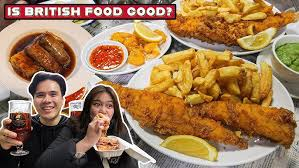
Let’s clear something up right away: British food is not a punchline. It’s a story. It’s a tale of simple ingredients done right, of centuries of trade and empire bringing the world to its doorstep, and of a modern revolution that has turned cities like London into global dining capitals. For a food lover, visiting the UK is a delightful deep dive into comfort, tradition, and thrilling innovation, often on the same plate.
Forget the tired clichés. This is a guide to eating your way through the real United Kingdom, where you’ll learn that a perfect chip is a thing of beauty and that the ritual of afternoon tea is about so much more than just cakes.
The Pillars of Tradition: Where to Start
You have to understand the classics before you appreciate the remix. These are the dishes that form the backbone of British food culture.
First, Fish and Chips. This isn’t fast food; it’s a Friday night institution. The goal is to find a proper “chippy,” often a takeaway spot with a queue out the door. Look for flaky, moist fish (usually cod or haddock) encased in a crisp, bubbly, golden batter. The chips should be thick-cut, fluffy on the inside, and not greasy. The essential accompaniments? A sprinkle of salt and malt vinegar (not lemon), maybe some mushy peas (don’t knock them till you’ve tried them), and if you’re up north, a side of curry sauce. Eat it out of the paper for the full experience, preferably by the sea.
Then, there’s the Full English Breakfast. It’s a hearty plate designed to fuel a day. A proper “fry-up” includes bacon (back bacon, crispy), sausages (herby, meaty ones), eggs, grilled tomato, mushrooms, baked beans, and toast. Black pudding (a sausage made with blood and oats) is a traditional, tasty addition for the adventurous. It’s the ultimate weekend brunch, best enjoyed with a strong cup of tea.
And for the ultimate pub lunch, you want a Sunday Roast. Traditionally eaten on—you guessed it—Sunday afternoons, it’s a plate of roasted meat (beef with Yorkshire pudding, chicken, lamb, or pork), served with roasted potatoes, vegetables, gravy, and often a giant, fluffy Yorkshire pudding. This is community food, best enjoyed in a cozy pub with a fireplace.
The Art of the Ritual: Afternoon Tea
This is where dining becomes an event. Afternoon tea is a quintessentially British pause in the day. It’s not just about the food; it’s about the ceremony.
You’ll be presented with a tiered stand. The bottom tier holds finger sandwiches with the crusts cut off—think cucumber and cream cheese, smoked salmon, egg mayonnaise, and ham with mustard. The middle tier features warm scones, which you split and slather with clotted cream (a thick, buttery cream) and strawberry jam. The debate over whether to put cream or jam first is a serious regional divide (Devon vs. Cornwall)—just enjoy it. The top tier is for dainty pastries and cakes.
This ritual is accompanied by a pot of proper loose-leaf tea. While you can have a luxurious version at grand hotels like The Ritz, you can also find charming, affordable afternoon teas in department stores, tea rooms, and even some pubs.
Modern British: Where the Magic Happens Now
This is the most exciting part of the UK food scene. “Modern British” cuisine takes those classic ingredients and techniques and reimagines them with global influences and stunning creativity. Think locally sourced venison, foraged mushrooms, heritage carrots, and Scottish seafood presented with French precision, Asian spices, or Nordic simplicity.
In cities, you’ll find everything from innovative small-plate restaurants in railway arches to world-class tasting menus. The UK’s diverse population also means you can find exceptional, authentic food from every corner of the globe—fantastic Indian curries (especially in cities like Birmingham and Bradford), vibrant West African eateries, and everything in between.
Regional Gems: What to Eat Where
The UK is a union of distinct nations, each with its own culinary pride.
- Scotland: Don’t miss haggis, neeps and tatties (a savory pudding of offal and oats, served with mashed turnip and potato). It’s far more delicious than it sounds. Also, seek out fresh, sweet Scottish scallops and Aberdeen Angus beef.
- Wales: Try Welsh rarebit (a sophisticated, cheesy beer toast), Glamorgan sausage (a vegetarian cheese and leek sausage), and laverbread (a seaweed paste, often served with bacon).
- Northern Ireland: Sample an Ulster fry (a heartier version of the full breakfast) and fresh seafood along the coast. Don’t forget the soda bread.
The Foodie’s Practical Guide
- The Pub is Your Friend: It’s the heart of British social life and often serves the best traditional food. Look for pubs with a chalkboard menu that changes daily—it means the kitchen is cooking fresh.
- Market Forces: Visit food markets like Borough Market in London, St. George’s Market in Belfast, or Swansea Market for a taste of local producers, artisan cheeses, street food, and fresh oysters.
- Don’t Skip the Cheese: The UK makes incredible cheeses beyond cheddar. Ask for a British cheese board and look for Stilton, a creamy Cornish Yarg, or a tangy Cheshire.
- A Word on Pies: A proper British pie has filling fully encased in pastry. A “pot pie” with just a lid is a cobbler. Steak and ale, chicken and mushroom, or a classic pork pie are all must-tries.
- The Curry Capital: For a true British-Indian experience, go to a “curry house.” Order a chicken tikka masala (a dish invented in the UK), poppadoms with chutneys, and a creamy, rich butter chicken. Wash it down with a lager.
Embarking on a food tour of the UK is about embracing contrasts. It’s the crisp, salty bite of fish and chips on a windy pier followed by the delicate sweetness of a scone in a plush hotel. It’s the hearty, communal joy of a pub roast and the quiet sophistication of a Michelin-starred dish. Come with an open mind and an empty stomach. You’ll discover that British food isn’t just about sustenance; it’s a direct, delicious line to the heart of its history and culture. Just remember to save room for the pudding.
Conclusion
So, what’s the final bite? Your food journey through the UK ends not with a single flavor, but with a rich, satisfying aftertaste of contrast and comfort.
You came for the fish and chips, and you leave with an understanding of the quiet pride in a perfectly cooked chip. You sat down for afternoon tea thinking it was just a fancy snack, and you stood up having participated in a gentle, centuries-old ritual of pause and pleasure. You discovered that the humble pub is the nation’s true dining room, where history is served alongside the Sunday roast.
The real lesson of British food is that it refuses to be pinned down. It’s both the sturdy, familiar forkful of sausage and mash and the dazzling, unexpected plate in a city restaurant that reimagines those very ingredients. It’s deeply local, yet shaped by the world. It doesn’t shout; it quietly insists on its place at the table.
Frequent Ask Questions: A Foodie’s Guide to the UK
What is a traditional Full English Breakfast?
A traditional Full English, or “fry-up,” is a hearty plate designed to fuel your day. It typically includes back bacon (crispy, not like American strips), herby pork sausages, fried or scrambled eggs, grilled tomato, sautéed mushrooms, baked beans, and buttered toast. Black pudding (a savory blood sausage) is a common addition. It’s the ultimate weekend brunch and is served in cafes and pubs across the country.
Where can I find the best fish and chips?
Avoid city-center tourist traps. For the best experience, head to a coastal town or a local neighborhood “chippy” (fish and chip shop) with a queue. Look for places that cook fresh to order. The fish should be flaky and moist inside a crisp, golden batter. The chips should be thick-cut and fluffy. Essential toppings are malt vinegar and a pinch of salt. Mushy peas or curry sauce are popular sides.
What exactly is included in an afternoon tea?
Afternoon tea is a light meal served on a tiered stand. The bottom tier has delicate finger sandwiches (like cucumber, egg mayonnaise, smoked salmon). The middle tier holds warm scones served with clotted cream and strawberry jam. The top tier is for small pastries and cakes. It’s all accompanied by a pot of loose-leaf tea. You can find everything from affordable versions in tea rooms to luxurious spreads in grand hotels.
Is British food just bland and boring?
This is a major misconception! While traditional food focuses on simple, hearty ingredients, the modern British food scene is incredibly vibrant and innovative. Cities like London are global dining capitals. “Modern British” cuisine uses superb local produce with creative, international techniques. Furthermore, the UK’s diversity means you can find world-class Indian, Chinese, West African, and Middle Eastern food.
What’s the deal with British pub food?
The pub is the heart of British social life and often serves the best traditional, home-cooked style food. It’s where you go for a Sunday Roast, a steak and ale pie, or sausage and mash. Look for pubs with a changing chalkboard menu—it’s a sign they cook fresh daily. A pub lunch is a non-negotiable cultural (and culinary) experience.
What are some must-try regional dishes?
- Scotland: Try haggis, neeps and tatties (a savory minced meat, offal, and oat pudding, served with mashed turnip and potato).
- Wales: Sample Welsh rarebit (a rich, cheesy, mustardy toast) and laverbread (a seaweed paste, often with bacon).
- Northern Ireland: Enjoy an Ulster Fry (an even heartier full breakfast) and excellent fresh seafood.
Do I need to tip in UK restaurants?
Tipping is customary but not as automatic or large as in the US. In sit-down restaurants, a tip of 10-15% is standard if service isn’t already included (always check your bill for a “service charge”). In pubs, you do not tip for ordering at the bar. For taxi rides, it’s polite to round up to the nearest pound.
What is a “Sunday Roast” and where do I get one?
A Sunday Roast is a traditional meal eaten on Sunday afternoons. It consists of roasted meat (beef, chicken, lamb, or pork), roast potatoes, Yorkshire pudding, vegetables, and gravy. The best place to have one is in a traditional pub that advertises a “carvery” or a “Sunday roast.” It’s a weekly ritual, so book a table in advance.
What’s the best way to experience modern British food?
Visit a food market like London’s Borough Market or Bristol’s St. Nicholas Market to sample from multiple innovative vendors. Also, research and book a table at a well-reviewed “Modern British” restaurant—these spots champion local, seasonal ingredients with creative flair. The Michelin Guide UK is a great resource, but many incredible places are more affordable “Bib Gourmand” picks.
Are there good options for vegetarians and vegans?
Yes, absolutely. The UK is one of the most vegetarian and vegan-friendly countries in the world. Most pubs and restaurants will have clear options, and many traditional dishes can be adapted (like a nut roast instead of meat for a Sunday Roast). Major cities have entirely plant-based restaurants. Always feel comfortable asking for the vegan menu.