

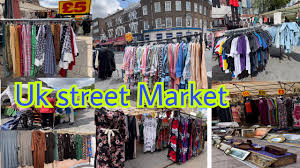
Forget the soulless, box-store experience. In the UK, shopping isn’t a chore; it’s an exploration, a cultural immersion, and often, a delightful treasure hunt. The landscape stretches from the glittering flagship stores of global giants to the cobbled lanes of centuries-old markets, each telling a different story of British life, history, and taste.
Your adventure begins, as it does for most, on the High Street. This isn’t just a location; it’s a national institution. The term describes the primary commercial street in any town, the beating heart of community commerce. While names like Marks & Spencer, Boots, and WHSmith are familiar anchors, the real charm is in how each High Street reflects its locale. Oxford Street in London is a mile-long spectacle of consumerism, a frantic and dazzling parade of flagship stores. Meanwhile, the High Street in a coastal town like Whitby might blend outdoor gear shops with quaint cafes and local fudge makers.
Yet the High Street is more than chain stores. It’s in the independent butcher showcasing local cuts, the family-run bookshop with handwritten recommendations tucked in the shelves, and the quirky gift shop selling pottery made down the road. It’s a space of community, where shopping is often a social act, punctuated by a chat with a shopkeeper or a coffee with a friend.
But to dive deeper into the UK’s commercial soul, you must step off the High Street and into a historic market. These are the original shopping centres, often operating on the same sites for hundreds of years.
Take London’s Borough Market, a foodie’s pilgrimage site for over a thousand years. Beneath the Victorian ironwork roofs, the air is thick with the scent of artisan cheeses, freshly baked bread, and sizzling chorizo sandwiches. It’s a theatre of taste, where passionate traders educate and entice. This isn’t just buying groceries; it’s a masterclass in provenance.
Venture north to Leeds Kirkgate Market, one of the largest covered markets in Europe. Its grandeur speaks to the city’s industrial past. Under its vast dome and intricate architecture, you’ll find a staggering array: bolts of vibrant African fabric next to stalls heaped with fresh fish, vintage record sellers a stone’s throw from butchers offering Yorkshire’s finest. It’s a bustling, noisy, and utterly authentic slice of city life.
In the East Midlands, Nottingham’s Old Market Square has been a trading hub since the 11th century. Today, it hosts everything from a daily street food market to a sprawling German Christmas market in winter, proving how these ancient spaces continuously adapt and thrive.
And then there are the unique market towns dotted across the countryside. Places like Ludlow in Shropshire, famed for its high-quality food markets and Michelin-starred pubs, or Totnes in Devon, a hub for alternative and eco-conscious goods. Their weekly market days transform the town centres into vibrant community festivals.
So, what makes shopping these historic markets so special? A few key things:
- The Sensory Experience: It’s about the sounds—the banter of traders, the sizzle of pans. The smells of flowers, spices, and street food. The vibrant, chaotic visual feast of colours and produce.
- Direct Connection: You meet the person who baked the bread, grew the vegetables, or crafted the jewellery. This story behind the product adds immense value and creates a connection absent from a supermarket shelf.
- The Unpredictable Find: You might go for cheese and come home with a vintage print, a hand-turned wooden bowl, or a rare plant. Serendipity is part of the package.
- Supporting Real People: Your money goes directly to supporting small businesses, families, and artisans, keeping unique skills and local economies alive.
Of course, the British shopping scene doesn’t ignore the modern. Grand Victorian arcades, like the Cardiff Arcades or Leeds Victoria Quarter, offer a beautiful bridge between eras—stunning period architecture housing contemporary boutiques and cafes. And yes, the UK has its share of massive, out-of-town retail parks for one-stop, bulk shopping convenience.
But the magic lies in blending the old with the new. A perfect UK shopping day might look like this: a morning spent browsing the eclectic stalls of a historic market, picking up unique gifts and a delicious lunch. An afternoon wandering the High Street, popping into both beloved chains and curious independents. Perhaps finishing in a grand arcade for a special purchase or a cream tea in an elegant setting.
Ultimately, shopping in the UK is an invitation to explore. The High Street offers a snapshot of everyday British life—practical, familiar, and community-focused. The historic markets offer a journey back in time and a direct link to the land, the sea, and the craftspeople’s hands. They remind us that commerce was, and still can be, a deeply human, social, and enriching experience.
So, next time you’re in the UK, skip the anonymous mall. Follow the crowd down a narrow alley, step under an ancient archway, or simply wander the local High Street with curiosity. Your reward won’t just be in your shopping bag, but in the memories, flavors, and conversations you collect along the way. The true find is the experience itself.
Conclusion
In the end, the true joy of shopping in the UK isn’t found in a simple transaction. It’s discovered in the journey itself—the meander from the familiar comfort of the High Street down the winding lane to the bustling heart of a centuries-old market. This dual landscape offers more than just goods; it provides a narrative. The High Street tells the story of modern British community and daily life, while the historic market whispers tales of tradition, craft, and regional identity.
To shop here is to engage with the living history and vibrant present of its towns and cities. It’s a chance to move beyond being a mere consumer and become, even briefly, a participant. You support the local cheesemonger whose family has traded on the same spot for generations, you find a one-of-a-kind treasure with a story, and you taste flavors that are rooted in the local landscape.
Frequently Asked Questions
Is it true that shops in the UK close really early?
It can feel that way compared to some countries! Standard hours are usually 9 am to 5:30 or 6 pm, with earlier closing (often 4 pm) on Sundays. However, in major city centres and large supermarkets, you’ll find much later hours, sometimes even 24/7. Your best bet is to check online for a specific shop’s hours before you visit, especially on a Sunday or bank holiday.
What’s the deal with haggling? Can I bargain at markets?
Generally, no—you don’t haggle in standard shops or on the High Street. The price marked is the price you pay. The glorious exception is many historic and flea markets, especially for non-food items like antiques, bric-a-brac, or crafts. Here, polite negotiation is often part of the fun. A friendly “Is this your best price?” or “Would you take £X for this?” is perfectly acceptable. For fresh food, baked goods, or produce, however, prices are usually fixed.
I’m looking for unique, non-touristy souvenirs. Where should I go?
Skip the generic souvenir shops on the main tourist drags. Head straight for a local market or an independent High Street boutique. Look for locally made foods (like cheese, chutneys, or fudge from a specific region), pottery from a nearby town, prints by a local artist, or a nice jar of heather honey. These items carry a real sense of place and support local artisans directly.
Are credit and debit cards widely accepted?
Yes, overwhelmingly so. Contactless payments (just tap your card or phone) are the norm almost everywhere, from big department stores to small market stalls. It’s rare to find a place that doesn’t accept cards, though some very small market vendors or tiny village cafes might have a minimum spend (like £5) for card payments. It’s still wise to carry a little cash for these exceptions, tips, or parking.
What should I know about VAT (sales tax) and refunds for tourists?
VAT (Value Added Tax) of 20% is included in the price you see on the tag. As a visitor, you can often claim this back on goods you’re taking home with you, but there are strict rules: you must spend over a certain amount (it varies by retailer) in a single shop, get the correct paperwork (a VAT 407 form) at the time of purchase, and show the goods and forms at the airport upon departure. Not all shops participate, so always ask before you pay if they offer “Tax-Free Shopping.”
Is it easy to find public toilets while out shopping?
This can be a challenge. Large department stores and shopping centres always have public toilets, often requiring a small fee (20p to 50p is common). Many cafes and pubs also have facilities, usually reserved for customers. It’s a good idea to plan your “comfort breaks” around a potential coffee stop or visit to a large store.
What’s one thing I shouldn’t miss?
If your schedule allows, make time for a dedicated market day. Research if the town you’re visiting has a weekly market (often on a Saturday) and build your visit around it. There’s no better way to feel the local rhythm, taste regional specialties, and find those special, unexpected items that mass-produced souvenirs can’t match. It’s an experience as much as a shopping trip.